
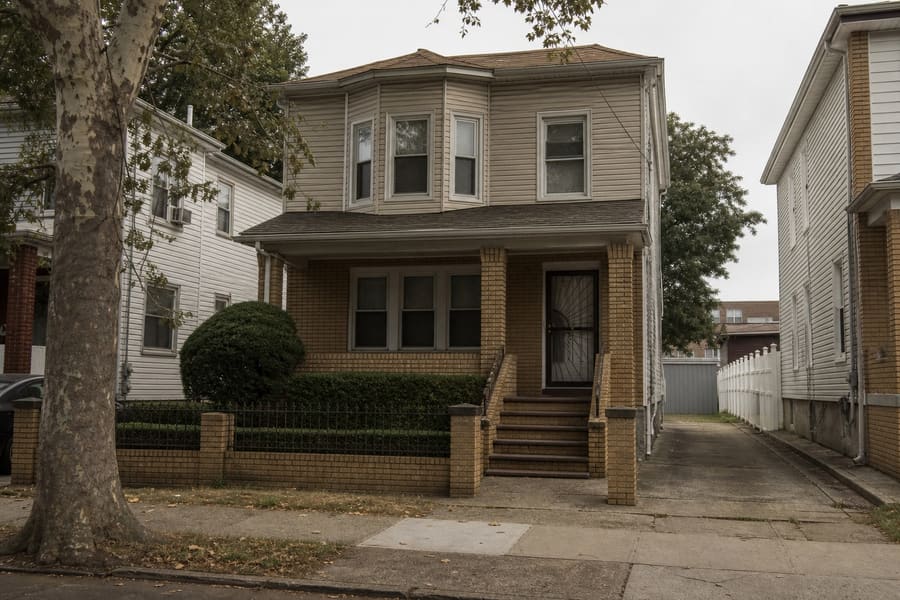
A house
We work from the curb or the driveway and carry in directly. Nothing to book, nobody to ask. One and two family houses are usually the quickest jobs to get moving.
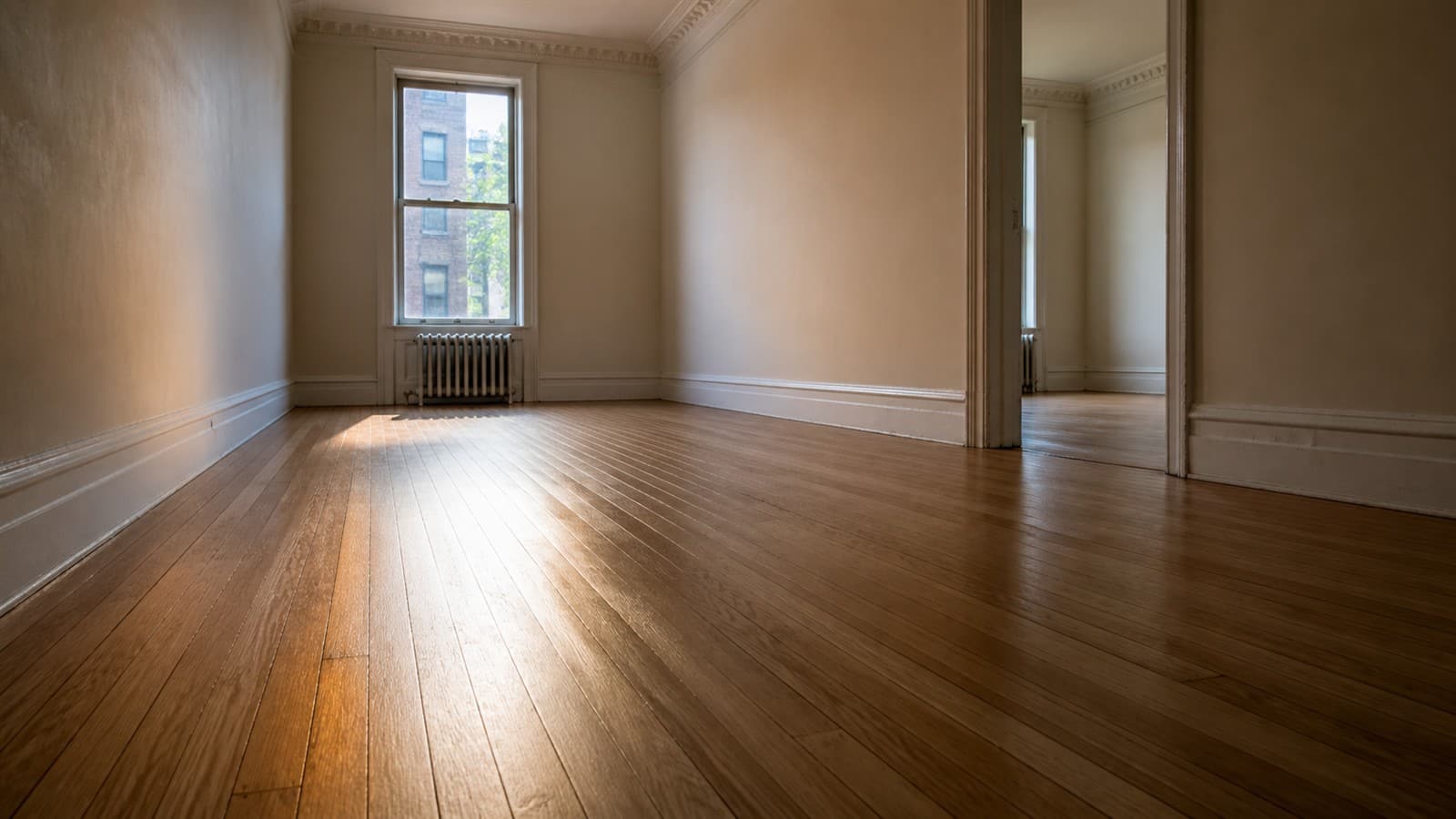
We refinish, repair and lay wood floors in Bronx houses, walk-ups, elevator buildings and co-ops. Before you call anyone, here is what a flooring job actually involves.
A name, a number and a line about the room is enough to start.
Five questions worth settling first, answered here rather than after you have already committed to someone.
Area, condition and how much we have to work around. Not a rate card. A clear room of sound oak is the cheap version of any of this work, and stairs, repairs and furniture are what move it.
Days rather than weeks for most apartments and most rooms in a house. The machines are quick. Finish curing between coats is what sets the calendar.
Sanders run to vacuum extraction and doorways get sealed before anything is switched on. Most of it never reaches the air, and we tell you what to move before the day.
The route in gets protected, what stays gets covered, and we work in one direction so you lose the smallest part of your home for the shortest time.
Socks first, shoes later, furniture after that and rugs last. You get both dates in writing before we start.
Five kinds of work. Which one you need usually comes down to whether the floor you have is worth keeping.
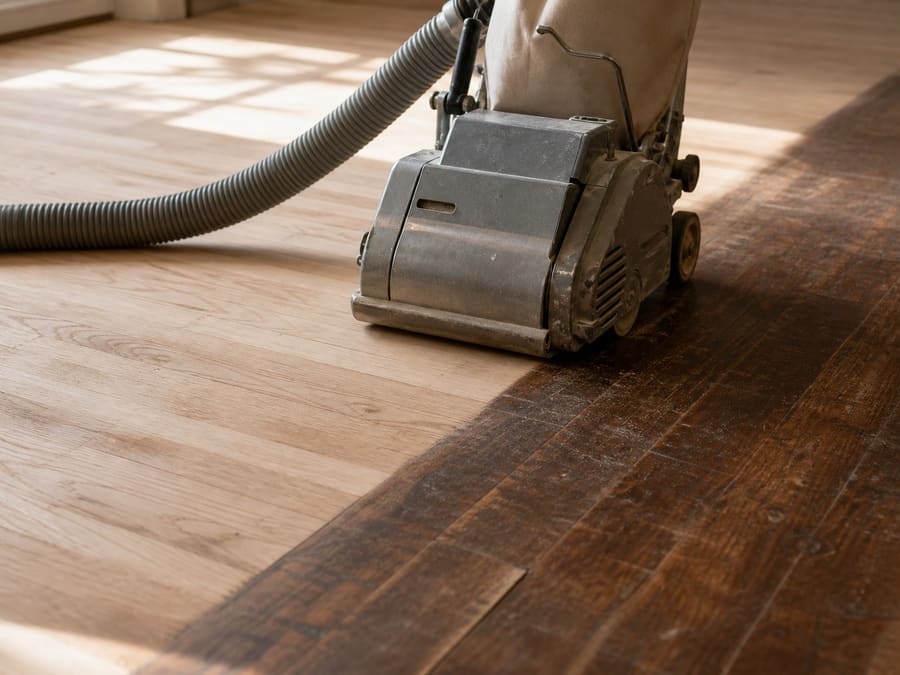
Sanding a tired floor back and building a new finish on it. Also the lighter buff and recoat, when the wood underneath is still sound.
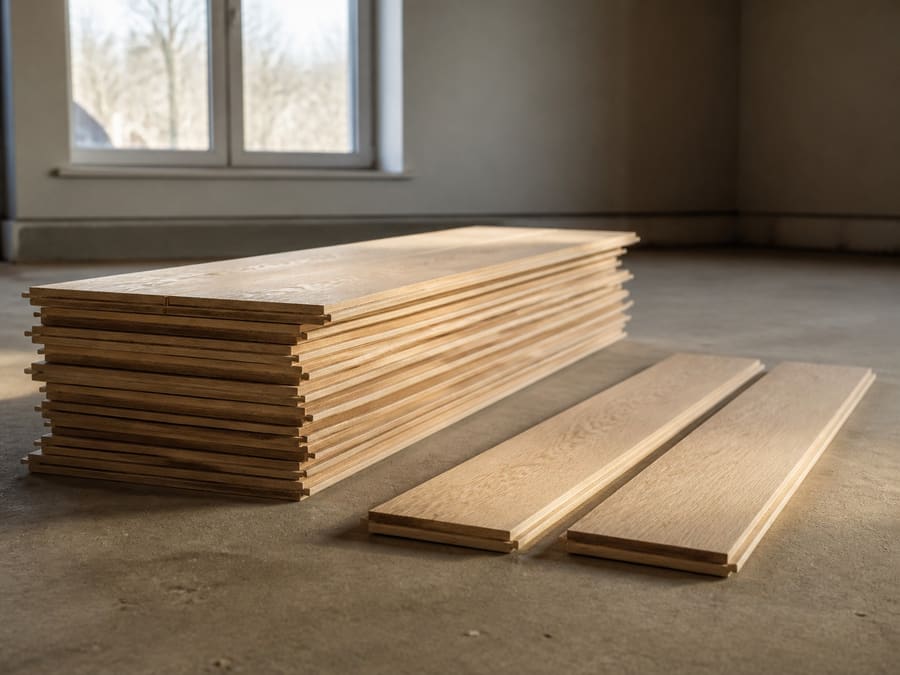
A new wood floor, solid or engineered, from whatever is under it up to the finish on top.
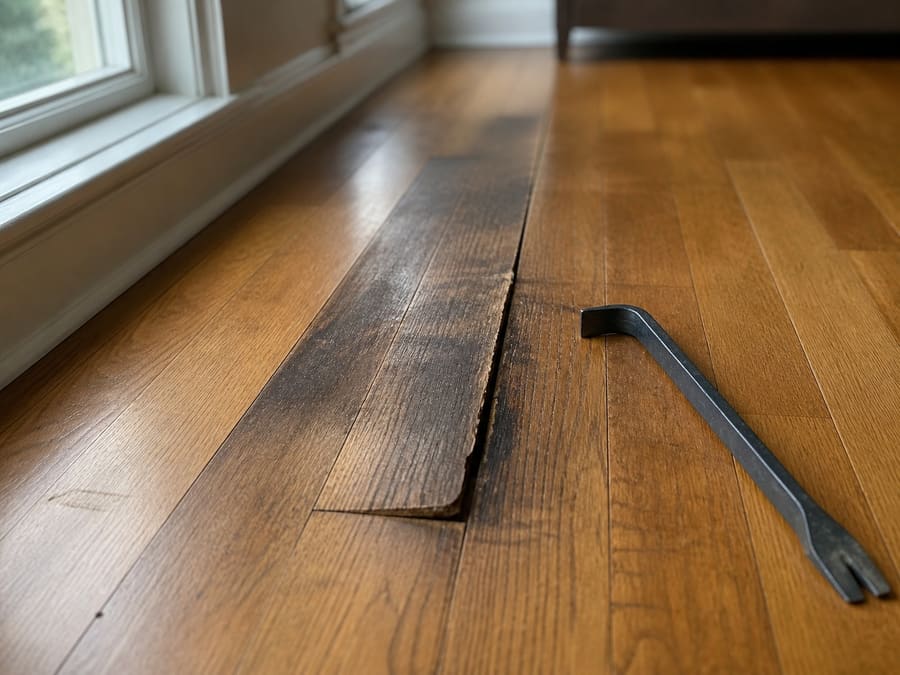
Water damage, deep gouges, loose or creaking boards, and gaps. Fixing the part that went wrong without redoing the floor.
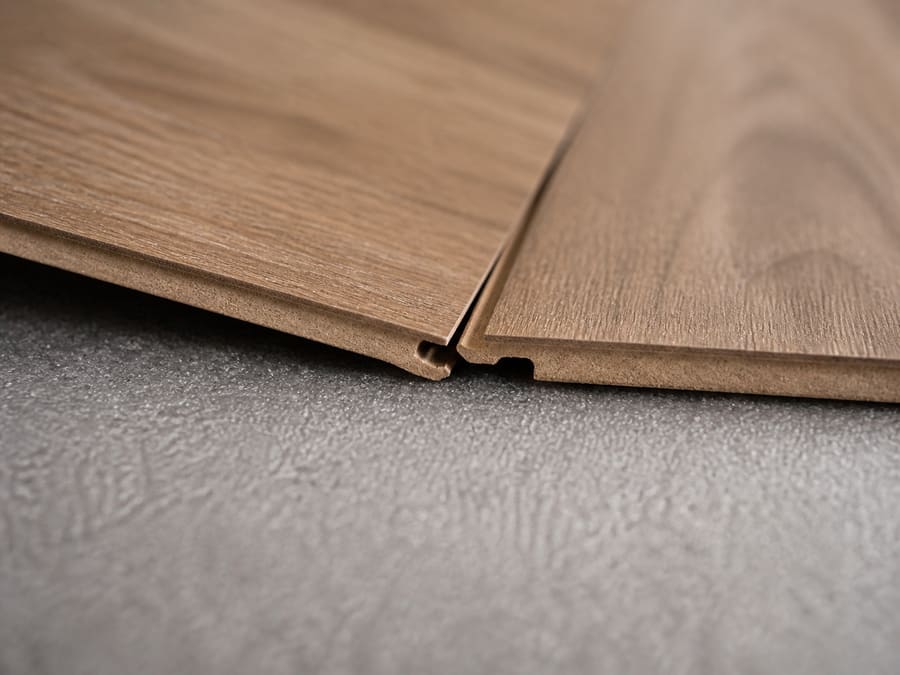
A hard wearing floor that clicks together over the surface you have, and goes down fast.
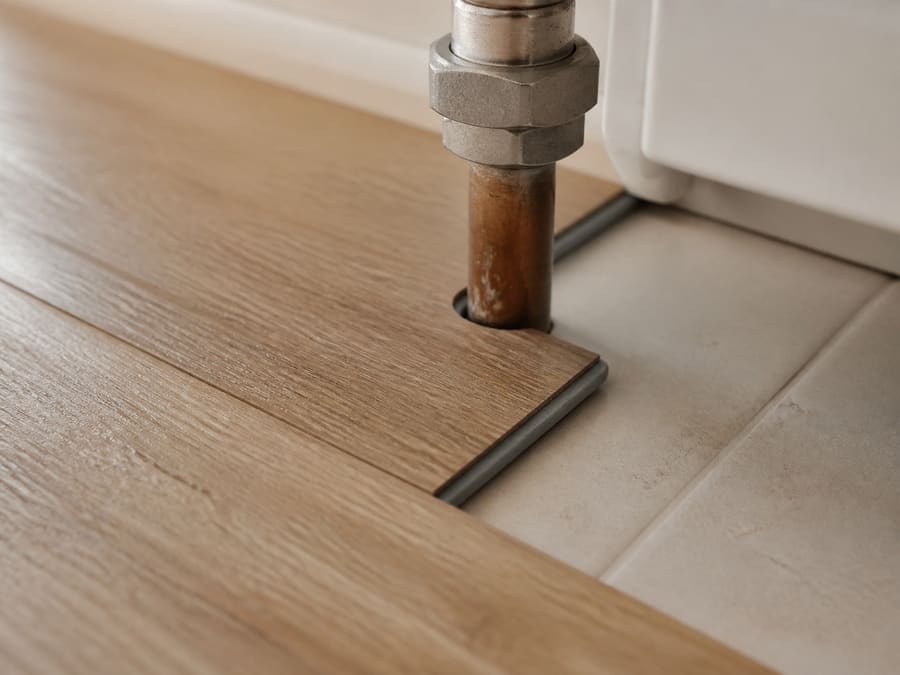
Luxury vinyl plank for kitchens, bathrooms and anywhere water is the reason wood will not do.
If your floor has gone grey in the doorways and there is a dark path worn through the middle of the room, the finish has gone and the wood is taking the wear. That sands out.
If one area is damaged and the rest is fine, that is a repair, and it is usually a much smaller job than people assume.
If the boards have gone thin, the nail heads are showing, or the floor has been sanded several times already, sanding again is the wrong answer. That is when a new floor is the honest recommendation, and we would rather tell you that at the start than halfway through.
In the Bronx, the building matters more than the neighborhood. It sets your access, your schedule and how soon anyone can start.
We work from the curb or the driveway and carry in directly. Nothing to book, nobody to ask. One and two family houses are usually the quickest jobs to get moving.
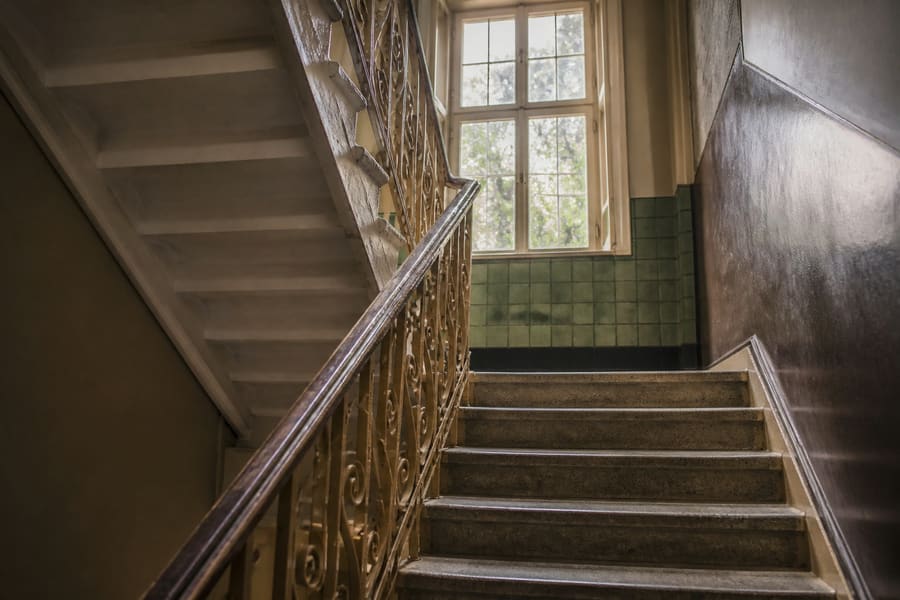
Material and machines come up the stairs and go back down them. That is real work and it goes into the estimate at the start rather than turning up as a surprise.
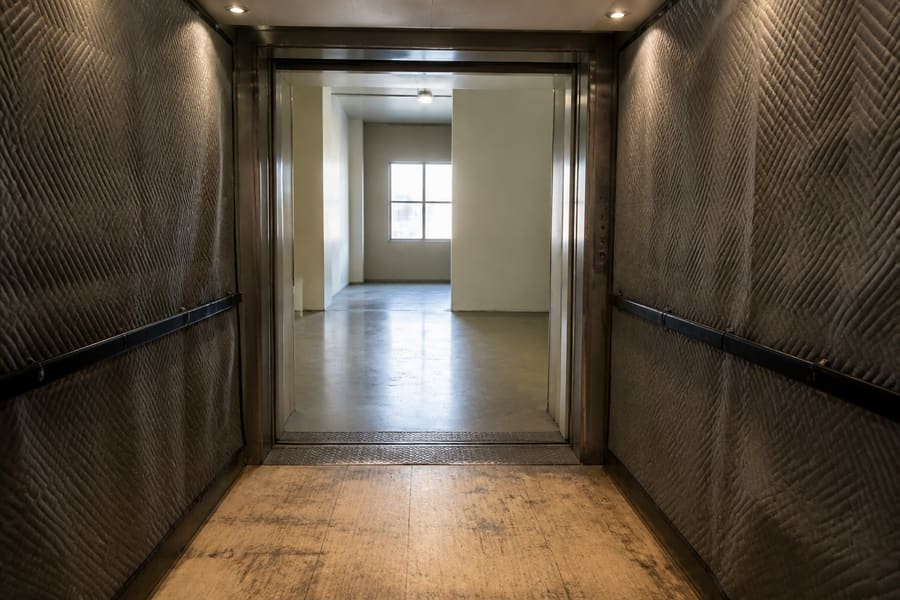
A freight elevator window has to be booked, and in most buildings the board approves the work before that can happen. Co-op City is 15,372 co-operative apartments across 35 high-rise buildings, so in this borough that sequence is routine. Start it early and the floor is the easy part.
Whatever your building, the first step is the same: a look at the floor.
Call (929) 207-0738The standard window for construction work in New York City is weekdays between 7 in the morning and 6 in the evening. Sections 24-222 and 24-223 of the Administrative Code set that window and provide for authorization outside it, and they also allow for limited exceptions we will confirm against your building and your job rather than assume.
That is the frame every job in the borough works inside, ours included, and your building may be stricter than the city is. We plan around both, we tell your neighbors nothing they do not need to hear, and we leave the common parts as we found them.
The same wood floor work in every borough, and a page for each one.
Prewar co-ops and condos, elevator buildings and walk-ups, where board approval and building hours shape the schedule.
Brownstones and row houses with original boards, alongside new build condos with engineered floors over concrete.
Attached and semi detached houses, garden apartments and co-ops, each with its own access and scheduling reality.
Mostly detached houses, which usually means easier access, fewer building rules and more floor area at once.
What a floor job costs, what your building asks for before it starts, and the whole picture in one place.
The rooms, roughly the area, and a couple of photographs of how the floor looks now. That is usually enough for us to tell you what the job is and what it is likely to cost.