
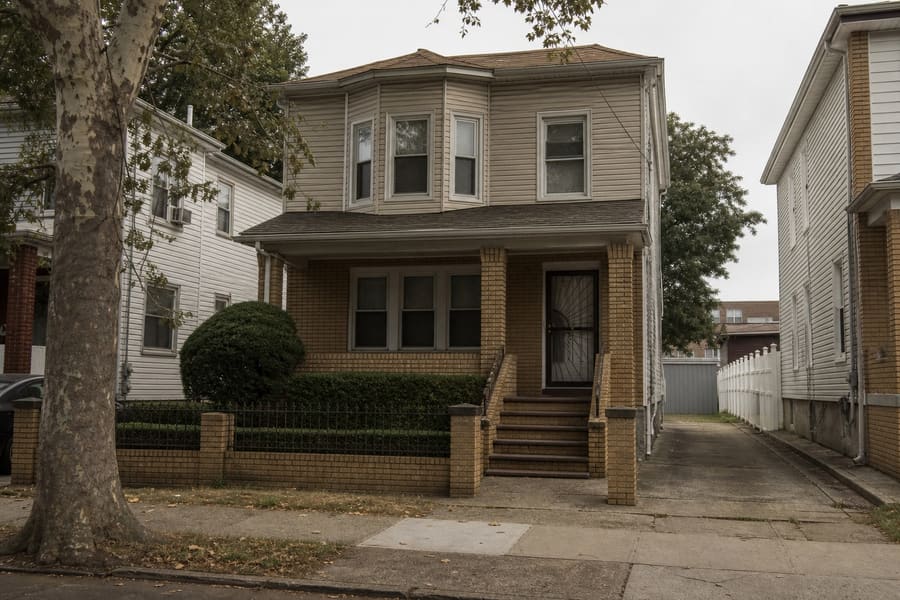
A house
Direct access, and usually the easiest place to match a board because we can work at our own pace.
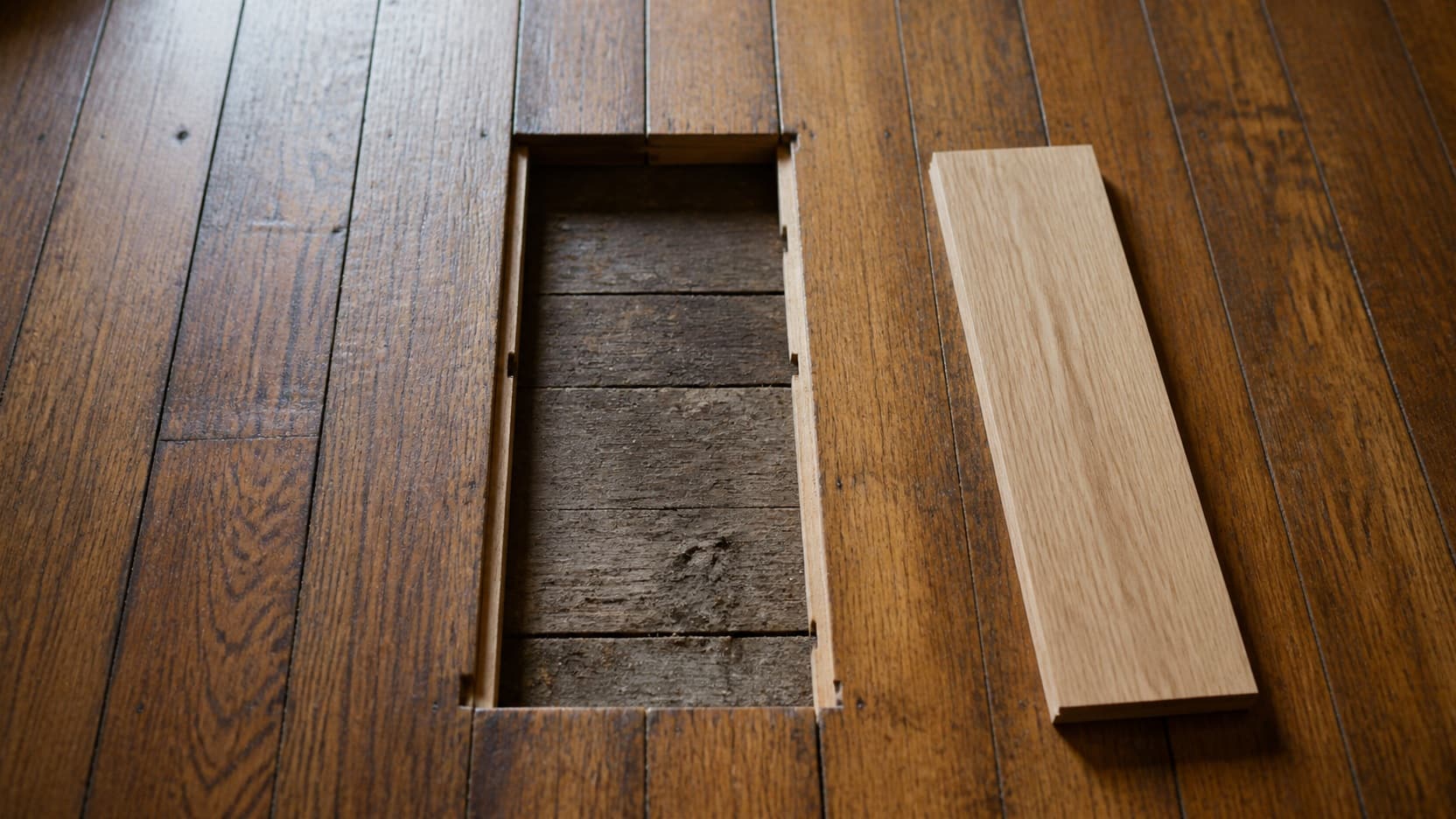
Repair fixes the part of a wood floor that has gone wrong, without redoing the floor you still like. It is very often a much smaller job than people expect when they call.
These matter most on a repair, because the size of the job is the whole question.
How many boards, how easy they are to reach, and whether the damage stopped at the surface. A handful of boards in the open is a small job. Damage under a kitchen unit, or a subfloor that got wet too, is a different one.
Many repairs are done inside a day. What extends it is finishing, because a repaired area usually needs the finish brought back to match.
Very little on a small repair. Where we have to sand the repaired area back, the sander runs to extraction and we seal the room off first.
We work in the damaged area and protect everything around it. The rest of your floor stays in use.
Same day for a straightforward fix. Where new finish goes on, the same curing rules apply as a refinish, and we tell you the dates before we start.
Water is the most common one, and in an apartment building it usually arrives from somewhere that is not your apartment. A leak from above, a dishwasher, a radiator, a bathroom next door. Boards cup, edges lift, and a dark stain spreads further than the wet ever did.
After that it is impact damage. A dropped pan, a dragged appliance, a heavy piece of furniture moved without lifting. Deep gouges and burns do not sand out of a floor that has already been sanded a few times.
Then there is movement. Boards that creak underfoot, boards that flex, and gaps that open along the length of a room. Those are usually about how the floor is fixed down or about humidity, and both are fixable once you know which it is.
The first question is always whether the problem stopped at the surface. With water it very often has not, and replacing boards over a subfloor that is still damp means doing the job twice.
So we check what is underneath before we quote anything, along with the moisture in the boards around the damage, how the floor is fixed, and whether the source of the water has actually been dealt with.
The second question is matching. An older Bronx floor will have shifted color over decades of light and finish, and a brand new board of the same species will not look like its neighbors on day one. We will tell you honestly what the repair will look like before you decide.
Send a photograph of the damage and we will tell you how big the job is.
Call (929) 207-0738The repair itself is the same. Getting to it, and getting a board into the building, is what changes.
Direct access, and usually the easiest place to match a board because we can work at our own pace.
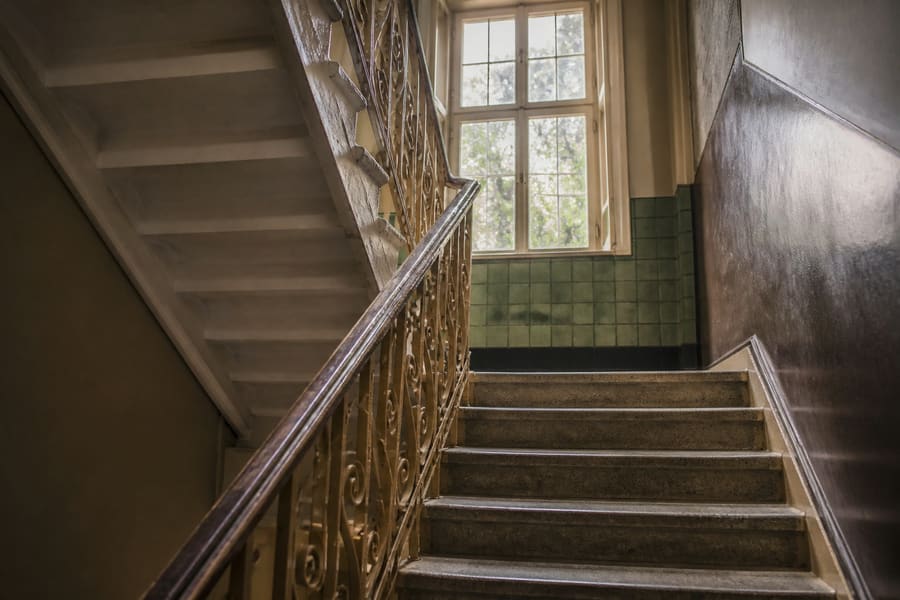
Small repairs are simple. Materials come up by hand, which for a repair is rarely more than an armful.
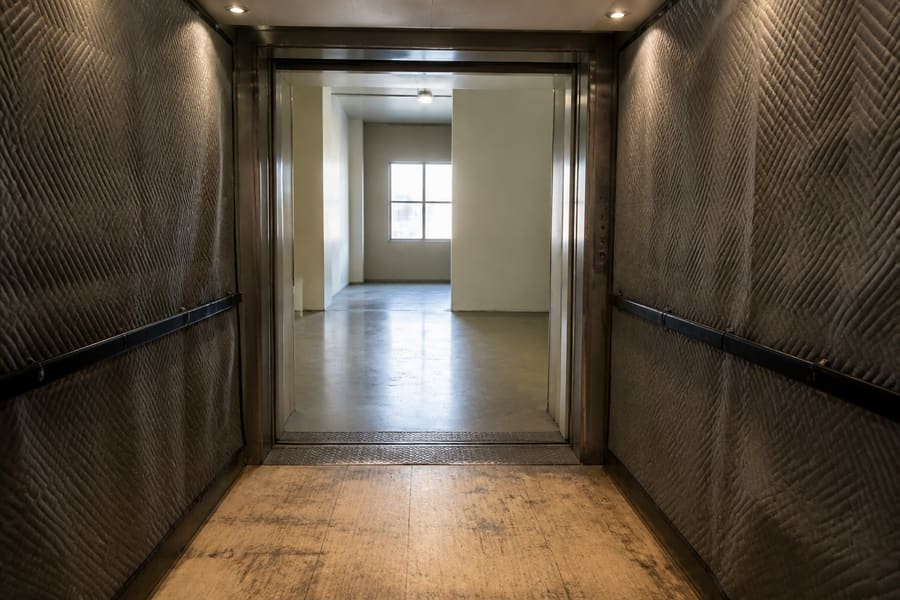
Small repairs often need less paperwork than a full refinish, but check with your managing agent first. If a leak from another apartment caused the damage, the building may already be involved.
Usually, yes, and more often than people expect. Solid wood is a repairable material, which is most of the reason it is still in Bronx buildings a century after it was laid.
Scratches and worn finish come back with sanding. Damaged boards get replaced individually. Cupped boards from water sometimes flatten out once everything has dried properly, and sometimes need lifting.
The floor that cannot be repaired is one where the wear layer is already gone across the whole room. At that point a repair would be patching something with nothing left to give.
Yes. Individual boards can be cut out and new ones woven in so the joints stagger like the rest of the floor rather than sitting in an obvious block.
The visible question is color. New wood is not the shade of a floor that has aged for fifty years, so the repaired area is normally sanded and refinished together with the surrounding floor to bring it into line.
How far that blending has to spread depends on the room. Sometimes it is the damaged corner. Sometimes it is the whole room, and we would rather tell you that at the start.
Where a repair spreads far enough that refinishing the room is the tidier answer.
Where the floor has nothing left to give and replacing it is the honest call.
A picture of the damaged area and one of the room it sits in tells us most of what we need. Say what happened and when, especially if water was involved.