
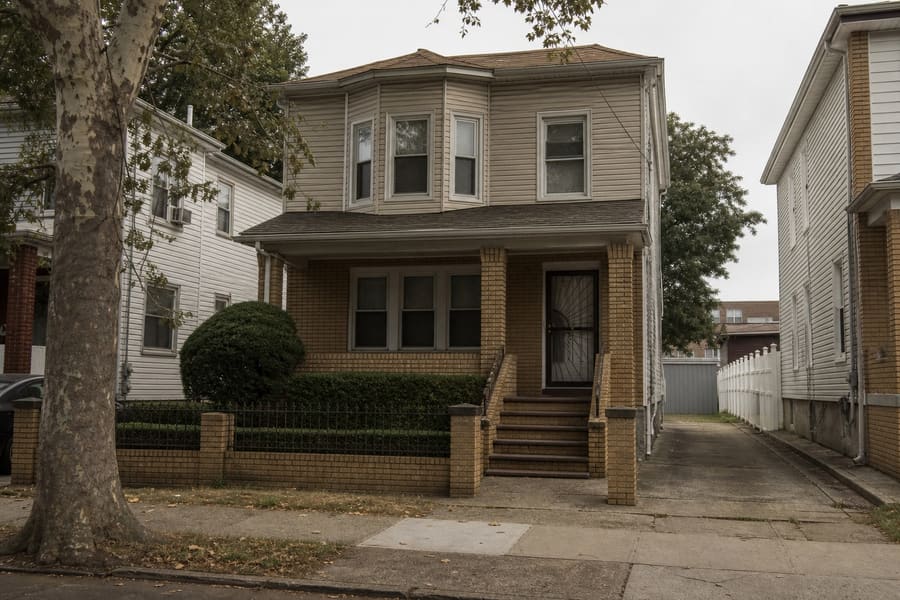
A house
Straightforward. Material comes off the truck and goes in, and there is nothing to book.
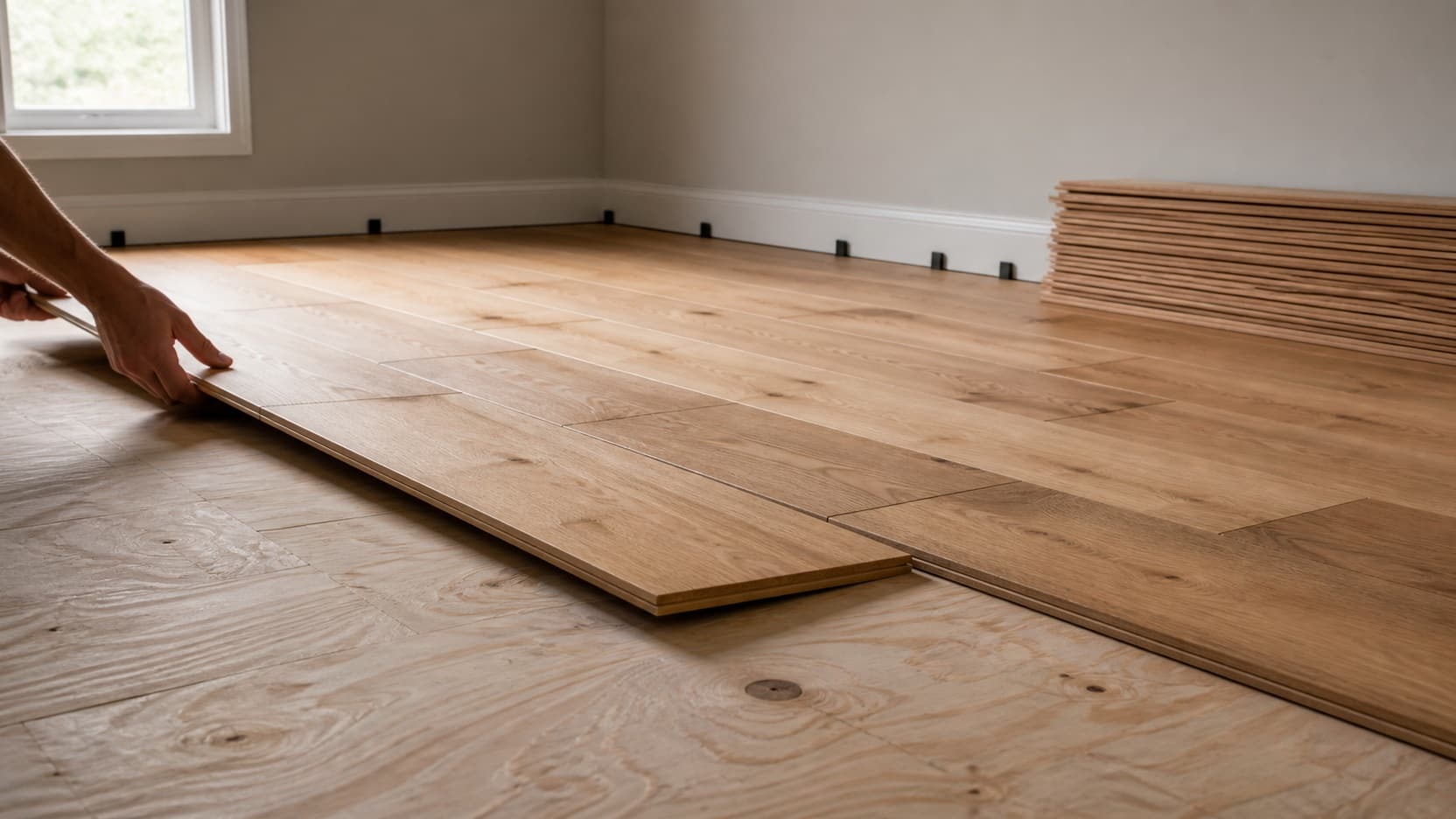
Installation is the whole job of putting a new wood floor down, from what is under it to the finish on top. Most of the work that decides whether it lasts happens before the first board goes in.
The practical answers for a new floor, up front rather than once the wood is ordered.
Area, the wood you choose, and the state of what is underneath. Taking up an old floor, leveling a subfloor and dealing with moisture are the three things that most often turn a simple installation into a bigger one.
A room or two goes down quickly. A whole apartment takes longer, and if the floor is finished on site rather than prefinished, add the coating and curing time on top.
Taking up an old floor is the dusty part, not laying the new one. We seal off before we lift anything and extract at the machine.
Material arrives and sits in the room before anything is fitted. Then we prepare, then we lay. You do not need to be there once access is arranged.
A prefinished floor is usable almost immediately. A floor finished on site follows the same curing rules as a refinish, and we give you the dates before we start.
Some people come to us for a new floor because they want one. Plenty arrive here from the refinishing page instead, having found out that their existing boards have nothing left to sand.
Both are ordinary. A solid floor has a finite wear layer above the tongue, and once it is gone the floor has done its work. If that is where you are, the good news is that the room is already set up for wood and the job is more predictable than a first fit.
Two real choices, and neither is the better one in the abstract. The building usually decides.
One piece of wood the whole way through. It can be sanded and refinished several times across its life, which is why so many prewar Bronx floors are still in use. It moves more with humidity, and it wants a stable, dry subfloor.
A real wood top layer on a stable core. It handles humidity and temperature swing better, and it copes with subfloors that solid wood would fight. It can usually be refinished once or twice rather than many times, depending on how thick the top layer is.
We will tell you which suits your room and your building. If prefinished boards would save you days of curing time in an occupied apartment, we will say that too.
The preparation is the job. Everything after it is assembly.
Existing floor or covering, the subfloor under it, level, moisture, and how the room meets the rooms around it.
Where there is one. This is the messy stage and it is done behind sealed doorways.
Clean, sound, dry and flat. Leveling where it is needed, fixing anything loose, and the right underlay or moisture control for the floor going down.
Boards sit in the room they are going into before they are fitted, so they settle to the humidity of your home rather than after they are nailed down.
Set out so the run looks right from the doorway, with proper expansion at the perimeter.
Sanding and coats where the floor is finished on site, then thresholds, beading and the transitions into every other room.
Not sure what is under your floor? That is the first thing we look at.
Call (929) 207-0738Delivery is the part people forget. A pallet of wood is heavy and it has to reach your door.
Straightforward. Material comes off the truck and goes in, and there is nothing to book.
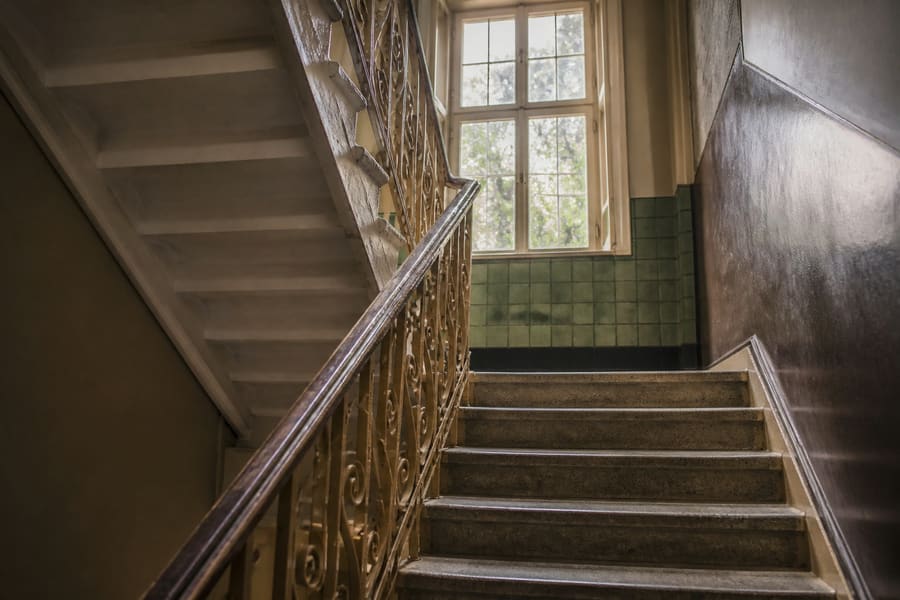
Every board comes up the stairs, and the old floor goes back down them. We plan the carry and the waste route before the delivery date rather than on it.
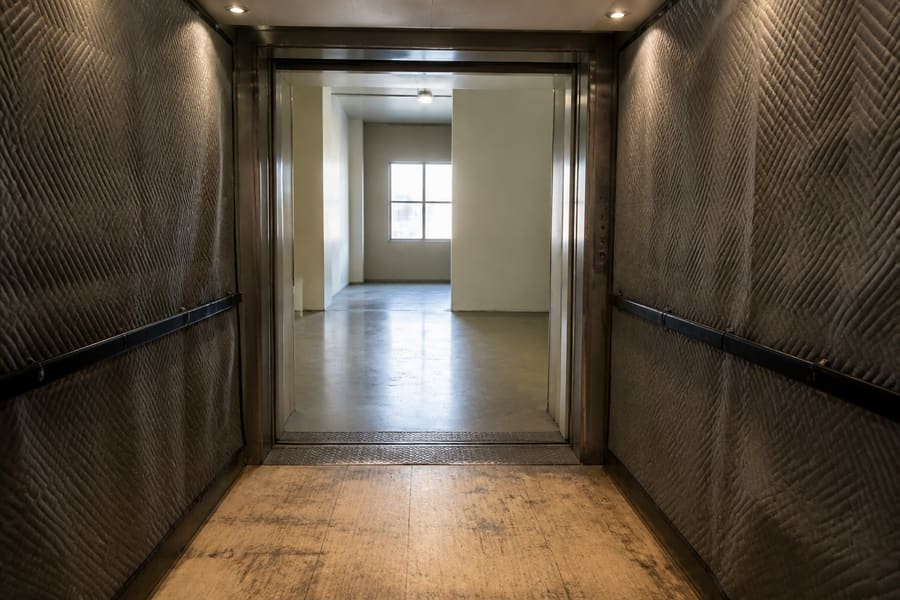
A freight elevator window for delivery, and usually board approval before the window. Start the paperwork before you order the wood, because the approval takes longer than the floor does.
It depends on the floor and on what is underneath it, which is why nobody can answer this properly without looking.
Over a wooden subfloor, a nailed floor usually goes down over a suitable underlay after the subfloor has been made sound and flat. Over concrete, moisture is the thing to solve first, and that changes both the underlay and how the floor is fixed down.
Leveling comes before all of it. A floor laid on an uneven base will feel wrong underfoot and will keep telling you about it.
In most Bronx elevator buildings and co-ops, yes, and it is worth finding out early because it sets your whole timeline.
The building will usually want to know what is being done and when, and to fit the work into its own rules about hours and elevator use.
Ask your managing agent what they need before you book anything. The approval is almost always the longest part of a floor job in an apartment building, and the floor itself is quick by comparison.
If the floor you have can still be saved, this is the cheaper route.
A harder wearing surface for a lower cost, fitted the same week.
Where water rules wood out, in a kitchen or a bathroom.
Tell us the rooms and the area, and what is on the floor now. If you know whether you are over wood or over concrete, say so. It changes the answer.