
A house
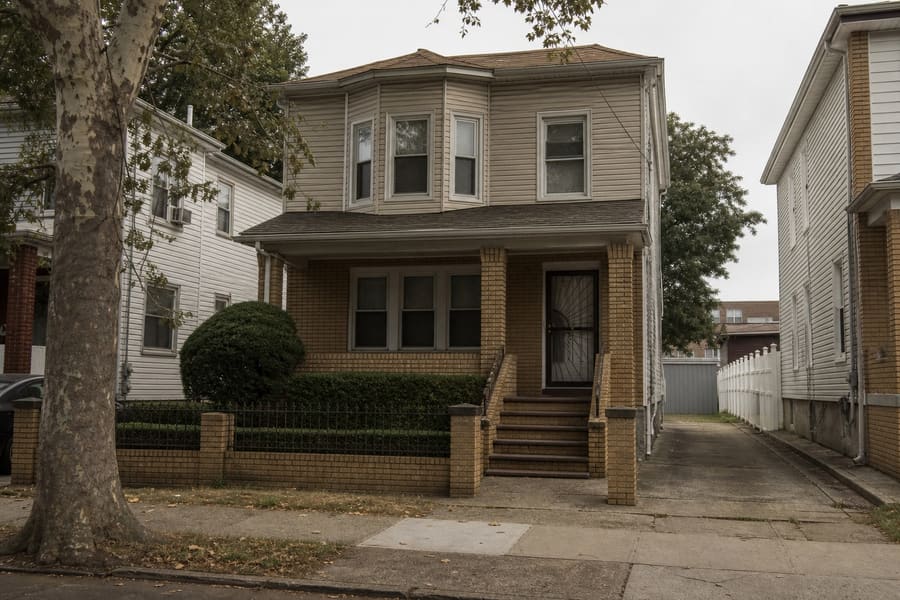
The simplest version. We work from the curb or the driveway, carry in directly, and nobody has to approve anything. If you have a one or two family house, this is usually the fastest job to get started.
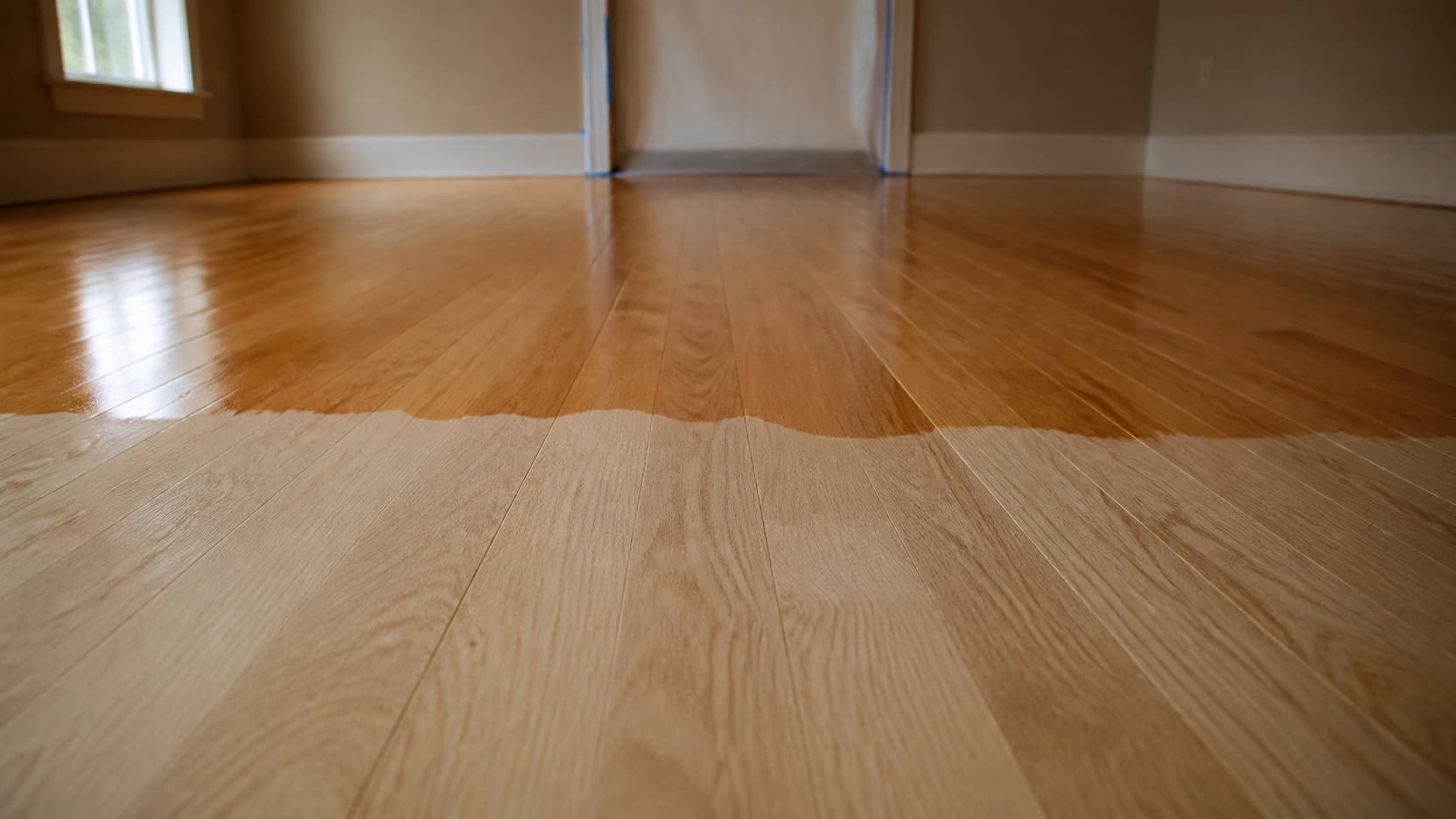
Refinishing takes a hardwood floor you already own back to bare wood and puts a new finish on it. The boards stay. The grey, the scratches and the worn path through the middle of the room do not.
Answered for a refinishing job, before you have to ask them.
Floor area first, then condition, then how much of the room we have to work around. A clear, empty, square room of solid oak is the cheapest version of this job. Stairs, built-in furniture, water damage and a floor that needs repairs before it can be sanded all move it up.
A typical apartment or a few rooms in a house is a small number of working days, not weeks. Sanding is quick. The waiting is the finish curing between coats, and that is the part nobody can rush.
Our sanders run to vacuum extraction, so the great majority of the dust never reaches the air. We seal doorways off before anything starts. You will still want soft furnishings out or covered, and we will tell you which before the day.
We protect the route in, cover what stays, move what we agreed to move, and work in one direction so the room is never fully out of use for longer than it has to be. You do not need to be home once we have access sorted.
You can walk on the floor in socks well before you can put furniture on it. Rugs are the last thing to go back down. We give you the two dates in writing before we start, and we do not move them without telling you.
Most hardwood floors that look finished are not. Grey patches mean the finish has gone and the wood itself is taking the wear. A dark path worn through the middle of a room means the same thing. Both of those sand out.
What does not sand out is depth. A solid board can be sanded several times over its life, and each pass takes a little of the wear layer above the tongue. When the nail heads start to show or the boards have gone thin at the edges, sanding again is the wrong call and we will say so.
That matters more in the Bronx than it does in most places. The apartment buildings along the Grand Concourse were built largely between 1916 and 1941, and the district was designated a New York City historic district in 2011. A floor of that age has usually been sanded more than once already. We check the wear layer before we quote, not after.
This is the first decision to make, and the honest answer is that plenty of floors do not need the bigger job.
We abrade the existing finish, clean it down and lay a fresh coat over the top. No bare wood, no dust of any consequence, and the floor is back in use quickly. It works when the finish is tired but intact, and it takes nothing off the wear layer. If your floor is dull rather than damaged, this is the one to ask about.
We take the floor back to raw wood, repair what needs repairing, then build the finish back up in coats. This is what removes grey, deep scratches, stains and old color, and it is the only route to changing the shade of the floor. It costs more and takes longer because it is a much bigger job.
We tell you which one your floor needs when we look at it. If a recoat will do, that is what we will say.
Nothing here is unusual. It is written down because knowing it in advance is the difference between a comfortable week and an anxious one.
Wear layer, board type, existing finish, level, squeaks, gaps and any damage that has to be dealt with first. This is also when we work out access.
What we are doing, what it costs, how many days, and the two dates that matter to you: when you can walk on it and when furniture can come back.
Route in protected, doorways sealed, agreed furniture moved, vents covered.
Coarse to fine, edges and corners by hand where the machine cannot reach. This is the noisy part and it is the shortest part.
Boards replaced or refixed, gaps filled where filling is right, then the floor is cleaned down completely. Any stain color goes on here.
Coats go on with proper time between them. Rushing this is how a floor fails in a year, so we do not.
We walk the floor with you, tell you what to do for the first two weeks, and take our protection away with us.
Not sure whether your floor needs a full sand or a recoat? Tell us and we will say.
Call (929) 207-0738In the Bronx this is what actually varies from job to job. It changes access, scheduling and how long the whole thing takes from your first call.
The simplest version. We work from the curb or the driveway, carry in directly, and nobody has to approve anything. If you have a one or two family house, this is usually the fastest job to get started.
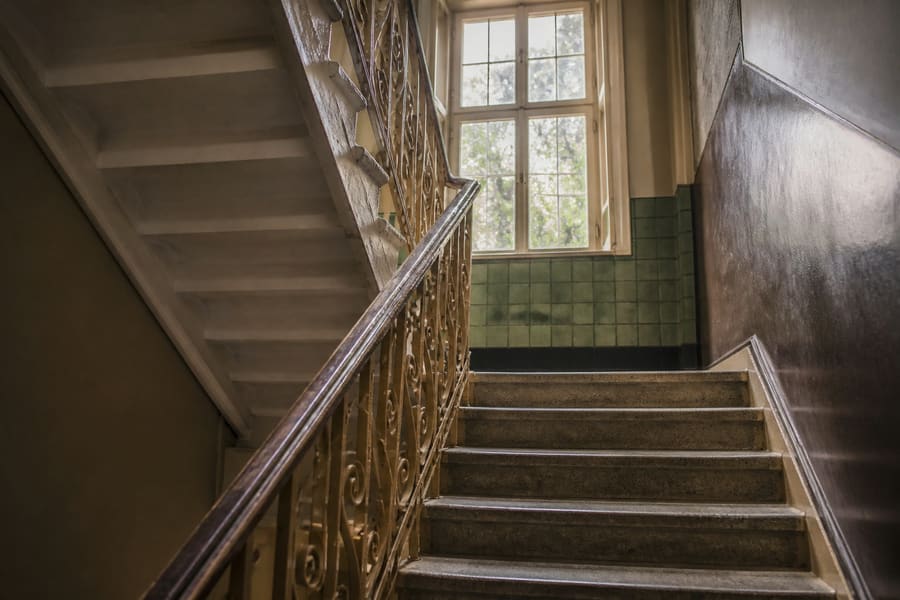
Everything comes up the stairs and everything goes back down them, including the machines. It is straightforward and it is real labour, so we build it into the time and the price rather than discovering it on the day.
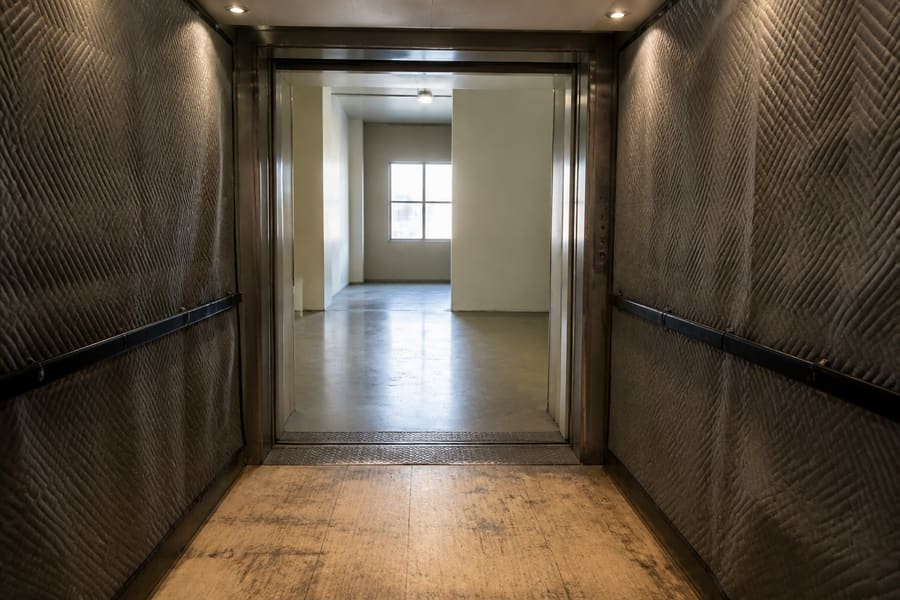
The freight elevator has to be booked into a window, and in most buildings the board has to approve the work before that window can be booked. Co-op City alone is 15,372 co-operative apartments across 35 high-rise buildings, so this is the normal path here rather than an unusual one. The approval is the long part. The floor is not.
We price by the floor rather than by a rate card, because two rooms of the same size can be very different jobs.
What moves the number: the area, whether the floor needs a full sand or a recoat, the condition of the boards, repairs, stairs, how much furniture has to be handled, and whether we are working in a house, a walk-up or an elevator building.
You get a figure for your actual floor after we have looked at it, and it does not change unless the scope does.
A recoat puts a new layer of finish over the finish you already have. Nothing is taken off the wood, so your floor keeps its thickness and the job is quick and almost dust free.
Refinishing sands the floor back to raw wood and builds the finish up again. It is the only way to remove grey, deep scratches and old color, and the only way to change the shade.
If the finish is worn but the wood underneath is sound, a recoat is usually the right answer and the cheaper one.
For a typical apartment or a few rooms in a house, the working days on site are few. Sanding is the fast part.
The whole job takes longer than the days we are working, because finish needs time between coats and time to harden afterwards. We give you both dates before we start.
Far less than people expect, because our sanders run to vacuum extraction and the dust goes into the machine rather than into the room.
We also seal the doorways to the rooms we are not working in before anything is switched on. Some fine dust always finds its way about, so we will tell you what to move or cover before the day.
In socks, within hours of the last coat. In shoes, later than that.
Furniture goes back after the finish has hardened, which is longer again, and rugs are last because they trap what is still curing underneath. We give you both dates in writing so you can plan around them.
People do. The sanding is learnable and the rental machines are available.
The two things that catch people out are the edges, which the big machine cannot reach and which show every mistake, and the finish, which is unforgiving about dust, timing and temperature. A drum sander left standing in one place for a moment leaves a dip you cannot sand out later.
If your floor has been sanded before and the wear layer is thin, that is the point to get someone to look at it first, because there is no second attempt.
If the problem is damage in one area rather than wear across the whole floor.
If the wear layer is gone and the floor cannot take another sand.
Tell us the rooms, roughly the area, and what the floor looks like now. Photographs help more than anything. We will tell you whether it is a recoat or a full sand before we come out.