
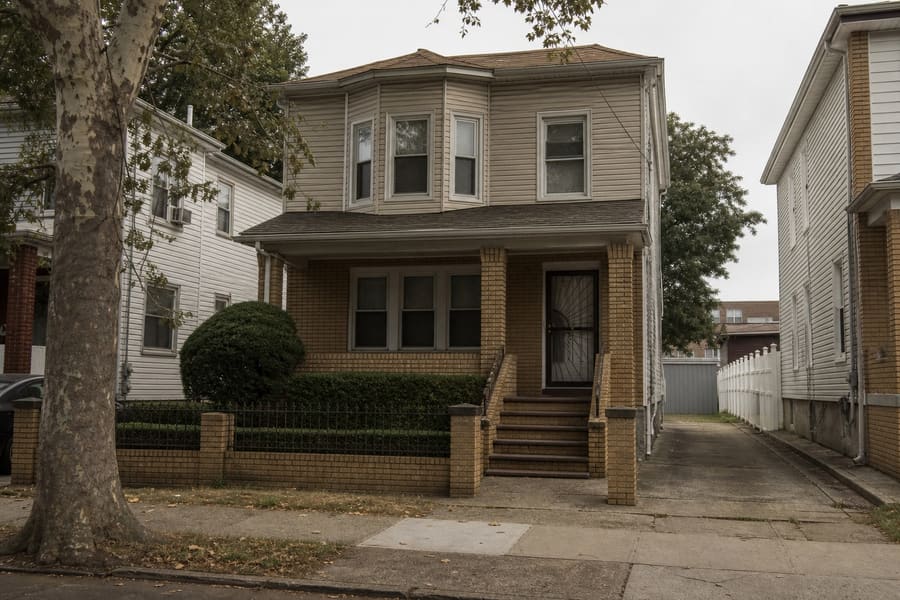
A house
Direct access, and often over a timber subfloor which makes preparation straightforward.
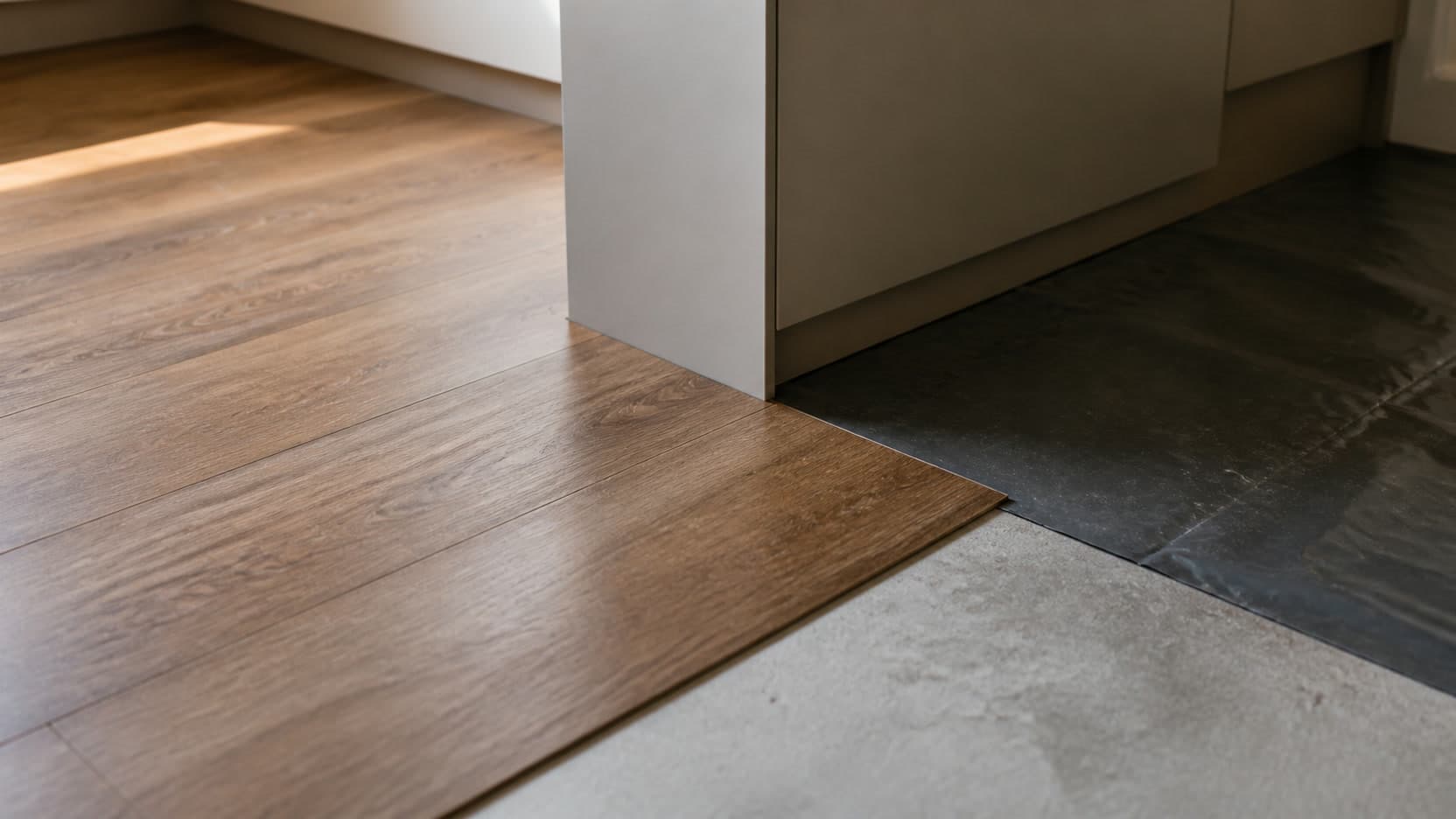
Luxury vinyl plank handles water in a way wood and laminate do not, which is usually why people ask for it. It is the floor for the rooms where something is eventually going to spill.
The same practical answers, tuned to this product.
Area, the board you choose, whether it clicks or is glued down, and the state of the subfloor. Glue-down needs a flatter, cleaner base, so preparation is a bigger share of the job.
A room is usually a day. Glue-down takes longer than click, and a kitchen or bathroom takes longer than an open room because of everything we cut around.
Very little from fitting. Removing an old tile or vinyl floor is where dust comes from, and that happens behind sealed doorways.
Clear, prepare, then fit. In a kitchen we work around the units rather than asking you to empty the room entirely, unless the units are coming out anyway.
A click floor is usable the same day. A glued floor needs the adhesive to set before heavy traffic and furniture, and we will tell you how long for the product we are using.
Luxury vinyl plank is a wood look board built on a waterproof core. Water sitting on it does not swell it, and that single property is why it has taken over kitchens, bathrooms, utility rooms and basements.
It is also softer and warmer underfoot than laminate or tile, which matters more than people expect in a room you stand in while cooking.
In an apartment building it has a practical advantage too. If a leak reaches your floor, a vinyl plank floor is far more likely to survive it than a wood or laminate one.
This is the real decision on this product, and it is decided by the room rather than by preference.
The boards lock to each other and float over an underlay. Faster to fit, easier to lift a damaged board later, and forgiving of a subfloor that is not perfect. It is the usual choice for a bedroom, a living room or a hallway.
Each board is bonded to the subfloor. It feels more solid underfoot, it copes better with heavy rolling loads and with big temperature swings, and it is the better answer in a large open area or a commercial room. It needs a flatter, cleaner, drier base and it takes longer.
For most Bronx apartments a click floor over the right underlay is the right answer. We will say when the room calls for glue-down instead.
Preparation matters more here than on any other floating floor, because vinyl is thin and it takes the shape of what is under it.
The existing floor, the subfloor, how flat it is, and whether we are over timber or over concrete.
Old covering up where needed, then the base made clean, sound, dry and flat. Any dip or ridge underneath will show through a thin board, so this is where the time goes.
Over concrete a moisture barrier comes first. Then the correct underlay for a click floor, or the correct adhesive for a glued one.
Set out so the run reads well, cut in around units, pipes and door frames, with expansion left where a floating floor needs it.
Beading and door bars, and a sealed perimeter where the room is a bathroom or a wet area.
Kitchen, bathroom or basement? Tell us the room and we will specify it properly.
Call (929) 207-0738Popular in apartments for a reason, and still subject to the building's rules.
Direct access, and often over a timber subfloor which makes preparation straightforward.
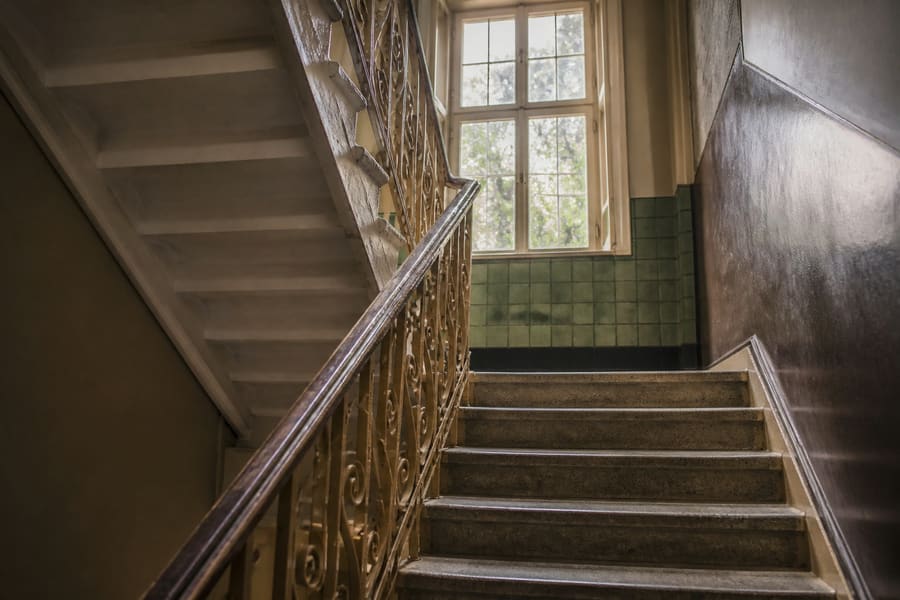
Boards carry easily compared with hardwood. The heavier part is anything we take out.
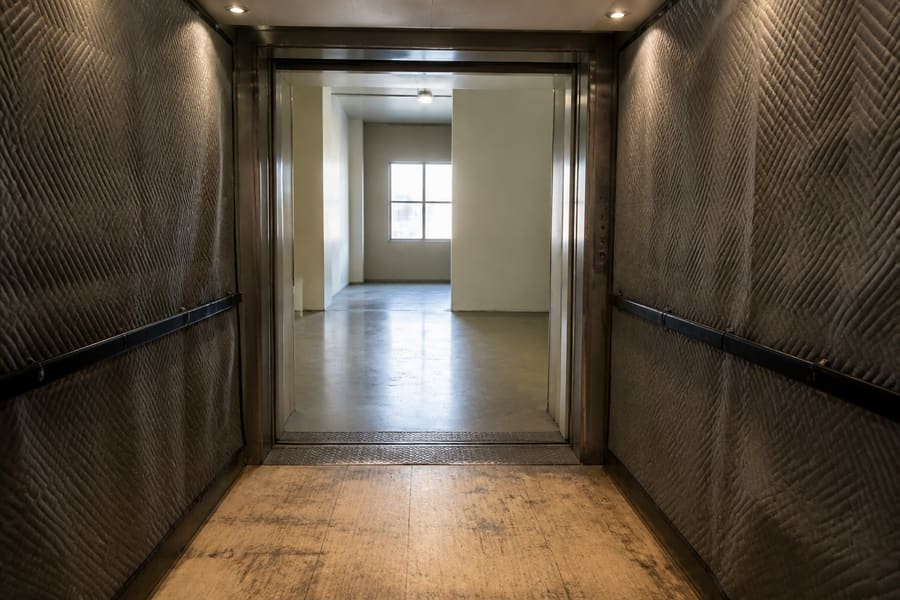
Most Bronx apartment buildings sit on concrete slabs, so moisture control and sound underlay are usually part of the specification. Ask your managing agent what the building requires between apartments before the material is ordered.
No. Most vinyl plank sold today clicks together and floats, and that is what goes into the majority of the rooms we fit.
Glue-down is the better answer in a few situations: a large open area, a room that gets strong direct sun and big temperature swings, somewhere with heavy rolling traffic, or a commercial space.
A glued floor needs a flatter and drier base than a floating one, so choosing it changes the preparation as well as the fitting.
Over concrete, a moisture barrier comes first, because a slab can pass damp upwards for years without anything visible on the surface.
Then either an underlay suited to vinyl for a click floor, or the adhesive the board manufacturer specifies for a glued one. Some vinyl planks arrive with an underlay already attached, and adding a second one under those is a mistake.
Before any of that, the base has to be flat. Vinyl is thin, and it will take the shape of a ridge or a dip underneath it and show you where they are.
A single room is usually a day. A full apartment is a small number of days.
A click floor is walkable straight away. A glued floor needs the adhesive to set before heavy traffic or furniture, and how long depends on the product.
What adds time is what came before: taking up an old floor, leveling a bad subfloor, or waiting for a screed to dry.
The drier rooms, where laminate is usually the better value.
Real wood, where the room and the building suit it.
The area, whether you are over timber or concrete, and what the room is used for. If it is a kitchen or a bathroom, say so, because it changes what we specify.